A city read from the quay
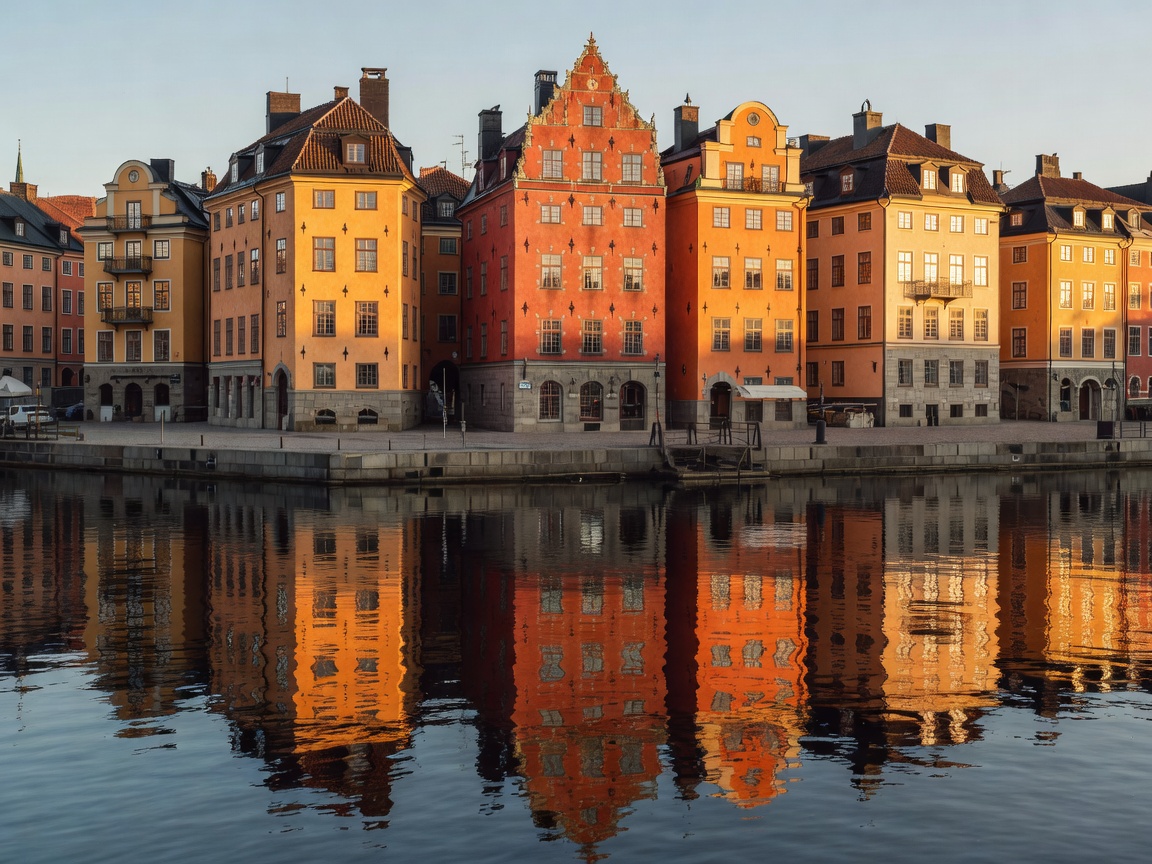
Stockholm is best understood from the water's edge. From Blasieholmen, where the Grand Hôtel has stood since 1874, the view runs straight across Strömmen to the Royal Palace and the steeples of Gamla Stan. Bridges and ferries stitch the islands together, and almost every walk ends at a quay, a café or a bathing jetty.
Neighbourhoods worth knowing
- Gamla Stan — the medieval old town, with the Royal Palace, Stortorget square and narrow lanes such as Mårten Trotzigs gränd.
- Norrmalm & Blasieholmen — the elegant centre of opera, Kungsträdgården and the Nationalmuseum.
- Östermalm — grand apartment blocks, boutiques and the historic Östermalms Saluhall food hall.
- Södermalm — creative and relaxed, with clifftop views over the city.
- Djurgården — a royal park island for the Vasa Museum, Skansen and ABBA The Museum.
"In June the sun barely sets; in December the city lights candles in every window."Editor's impression
When to go
Summer is glorious, with midsummer celebrations in late June and endless light for archipelago trips. December brings Nobel week, Lucia processions on the 13th and Christmas markets in Gamla Stan and at Skansen. Spring and early autumn are calmer and often crisp and bright.
Getting around
The Arlanda Express train reaches Stockholm Central in about 20 minutes. The tunnelbana metro, known for its painted stations, covers the city, while ferries to Djurgården and the archipelago depart from quays close to Blasieholmen.
What to see
- The Vasa Museum, home to a remarkably preserved seventeenth-century warship.
- The Royal Palace, one of Europe's largest still in official use.
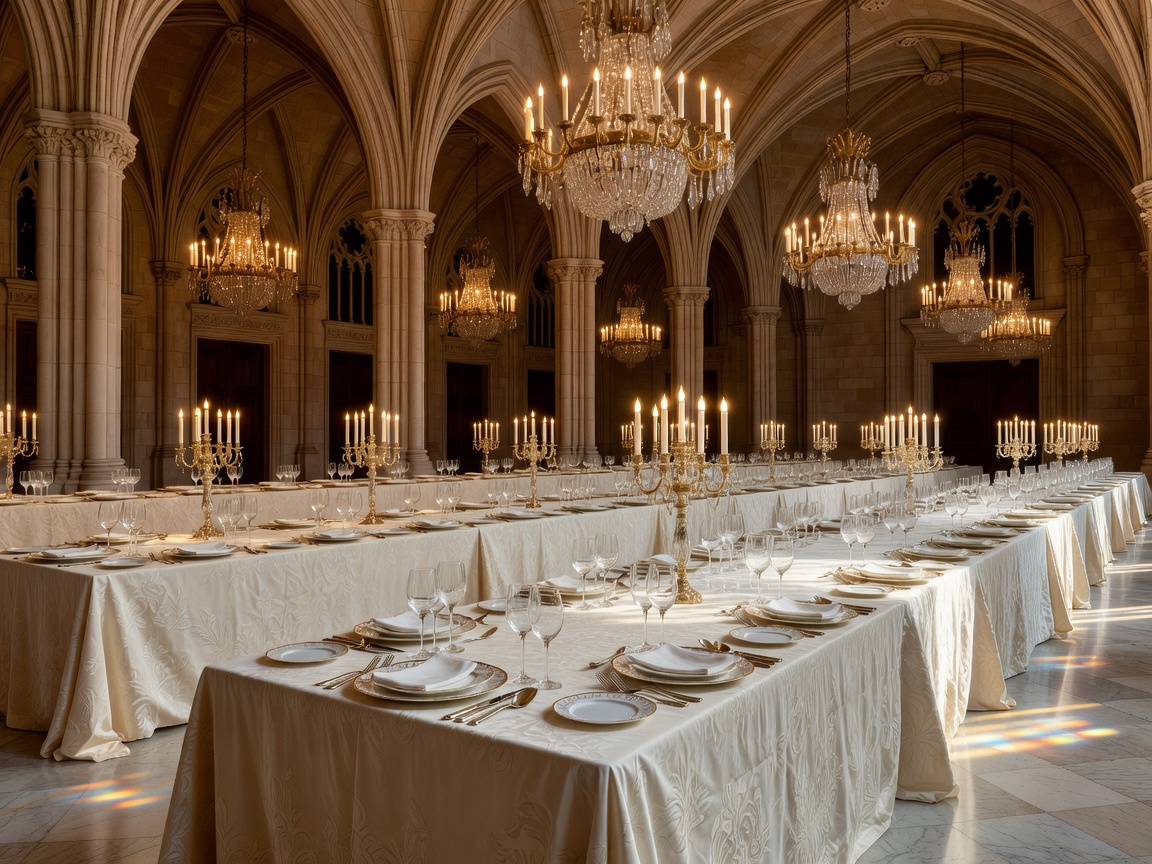
- Stockholm City Hall, venue of the Nobel banquet today.
- A boat trip into the archipelago, to islands such as Vaxholm or Sandhamn.