The King's New Square and beyond
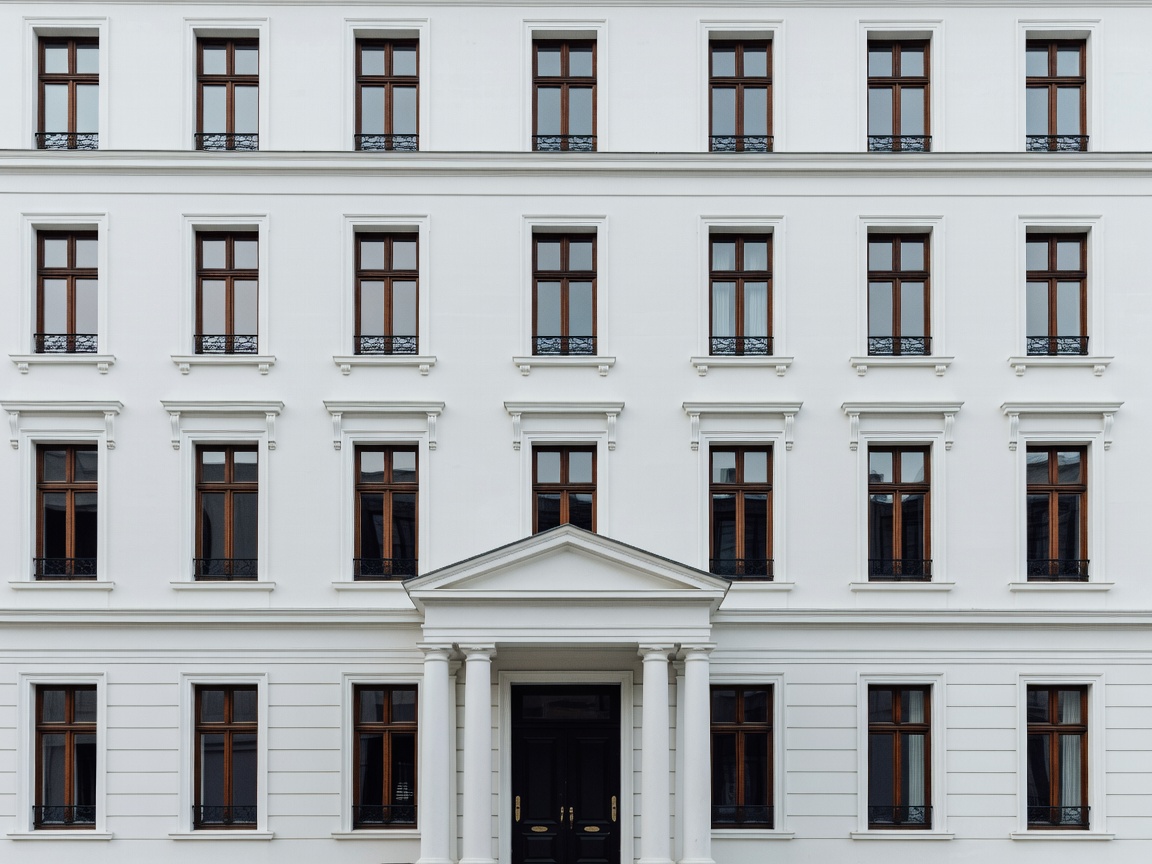
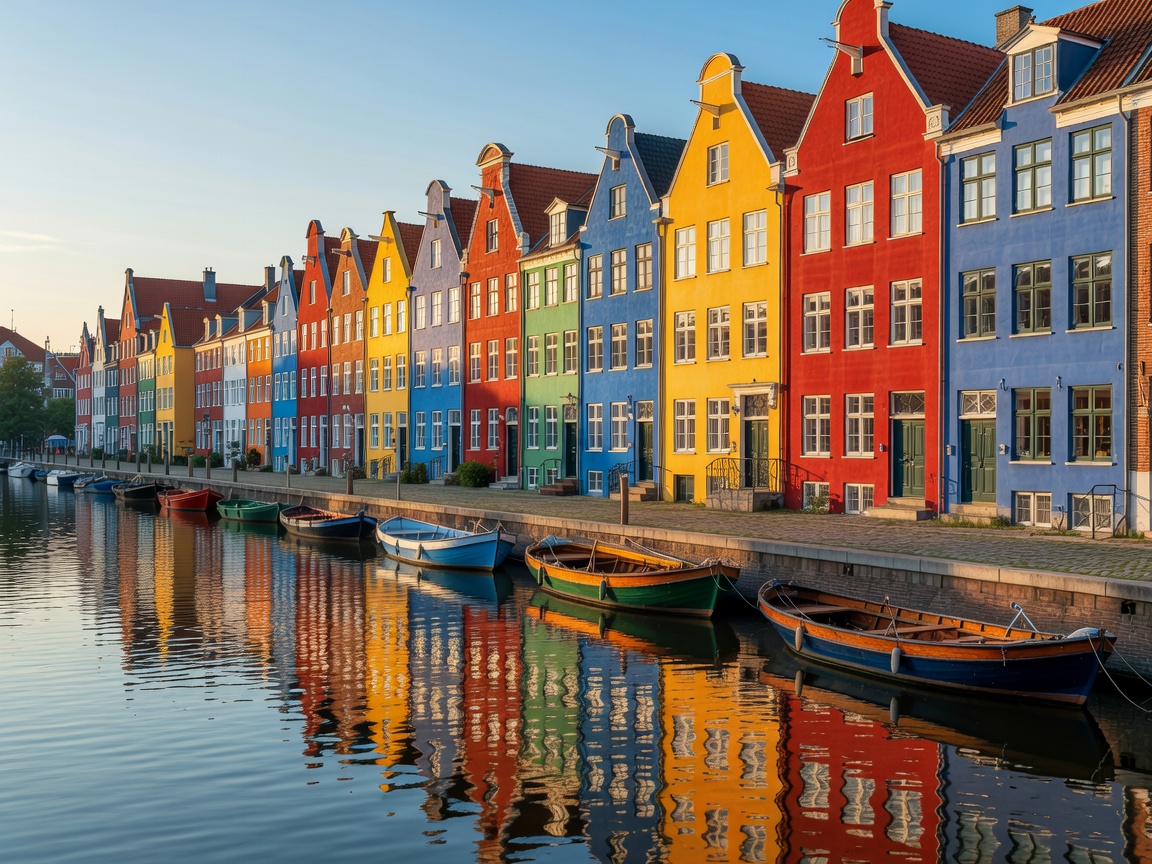
Copenhagen's grand-hotel story begins on Kongens Nytorv, the largest square in the city, laid out in the seventeenth century as a Baroque showpiece. The Royal Danish Theatre, the Charlottenborg Palace and the white façade of Hotel d'Angleterre frame it, and from its eastern corner the painted houses of Nyhavn run down to the harbour. Few European capitals put so much within a ten-minute walk.
Neighbourhoods worth knowing
- Frederiksstaden — the Rococo district around Amalienborg, the royal residence, and the copper-domed Marble Church.
- Indre By — the medieval core, crossed by the pedestrian Strøget and threaded with cobbled lanes.
- Christianshavn — canals, houseboats and the corkscrew spire of the Church of Our Saviour.
- Vesterbro & Nørrebro — younger, livelier quarters for coffee, wine bars and independent design.
"Copenhagen rewards the slow traveller: a harbour swim, a long lunch, a walk home along the water."Editor's impression
When to go
Late spring and summer bring long, luminous evenings, open-air harbour baths and café tables spilling onto the squares. December is the other high season, when Tivoli and the city's Christmas markets glow against early darkness and Hotel d'Angleterre dresses its façade for the festive season. Winter is cold and the days are short, but indoor culture and spa time make it rewarding.
Getting around
The driverless Metro connects Copenhagen Airport with Kongens Nytorv in roughly a quarter of an hour on the M2 line. Within the centre, walking and cycling are the most natural ways to move; harbour buses link the waterfront districts, and the City Circle Metro line reaches the main railway station.
What to see
- Rosenborg Castle and the crown jewels, with the King's Garden alongside.
- The changing of the guard at Amalienborg Palace at midday.
- Tivoli Gardens, one of the world's oldest amusement parks, opened in 1843.
- The Ny Carlsberg Glyptotek and the National Gallery of Denmark (SMK).