A Frenchman's gift to Stockholm
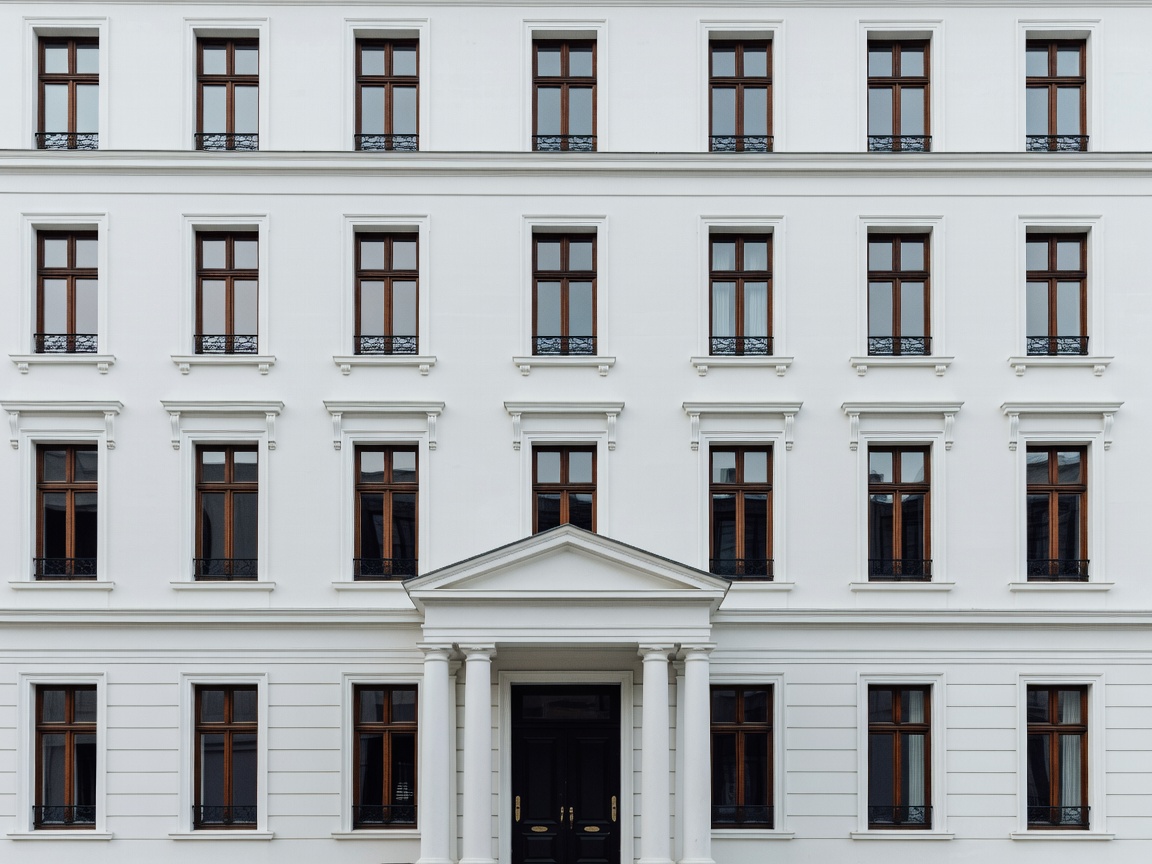
Régis Cadier, a French chef who had cooked for the Swedish royal household, opened the Grand Hôtel in 1874 on Blasieholmen, a peninsula at the heart of the capital's waterways. The location was an act of theatre: the hotel's long façade faces directly across Strömmen to the Royal Palace and the spires of Gamla Stan, so that guests wake to one of the finest urban views in Northern Europe.
From the start the hotel was conceived as a public stage for the city — a place for balls, banquets and state occasions as much as for sleeping. That role endures: it remains Stockholm's address of ceremony, and many visiting heads of state, artists and scientists have stayed here.
The Nobel connection
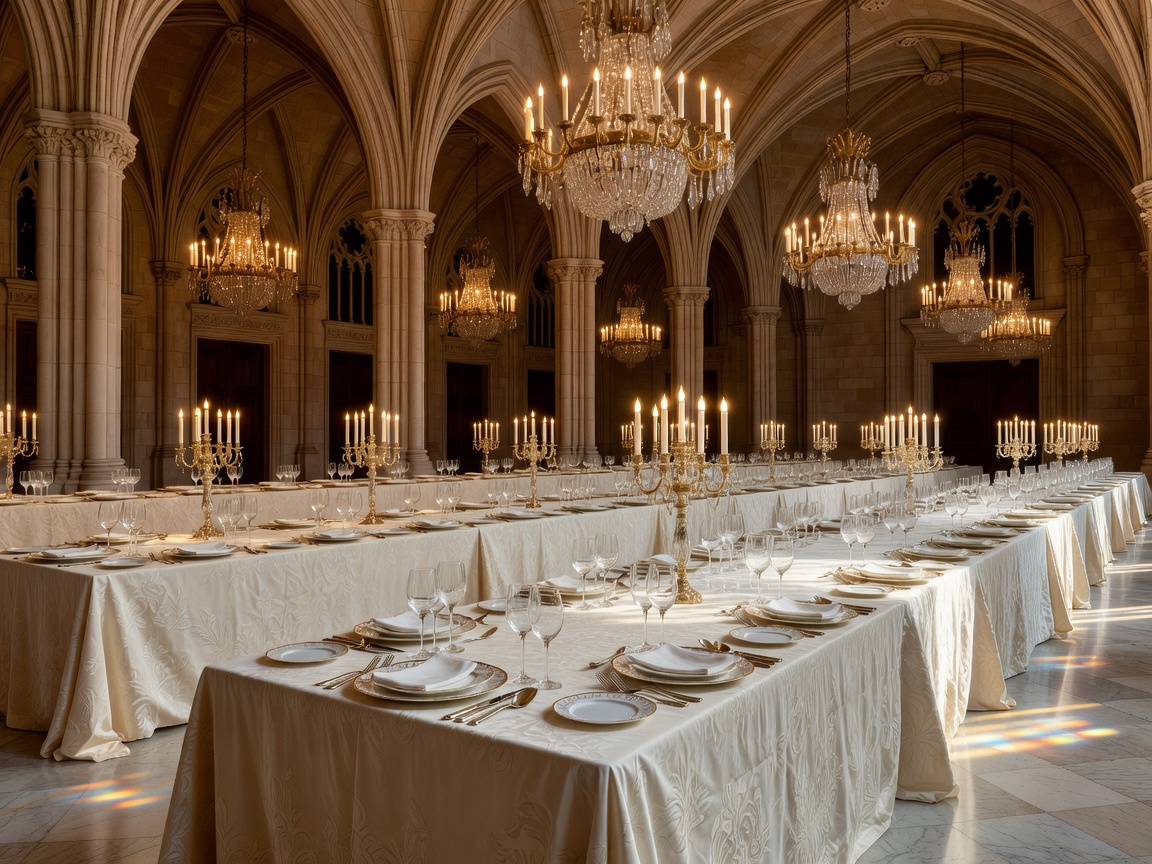
In 1901 the first Nobel Prize banquet was held in the hotel's Hall of Mirrors (Spegelsalen), a gilded salon inspired by its namesake at Versailles. Although the banquet later moved to Stockholm City Hall, the Grand Hôtel has maintained its tradition of welcoming Nobel laureates during Nobel week each December.
"Few hotel windows anywhere frame a royal palace quite so squarely."Editor's impression
Tables and bars
The Veranda, with its windows onto the harbour, is famous for its traditional Swedish smörgåsbord — herring in many guises, gravlax, meatballs and seasonal specialities. The Cadier Bar, named after the founder, is a Stockholm institution for cocktails with a view of the palace, and the hotel's other restaurants and salons change with the seasons.
Wellness and rooms
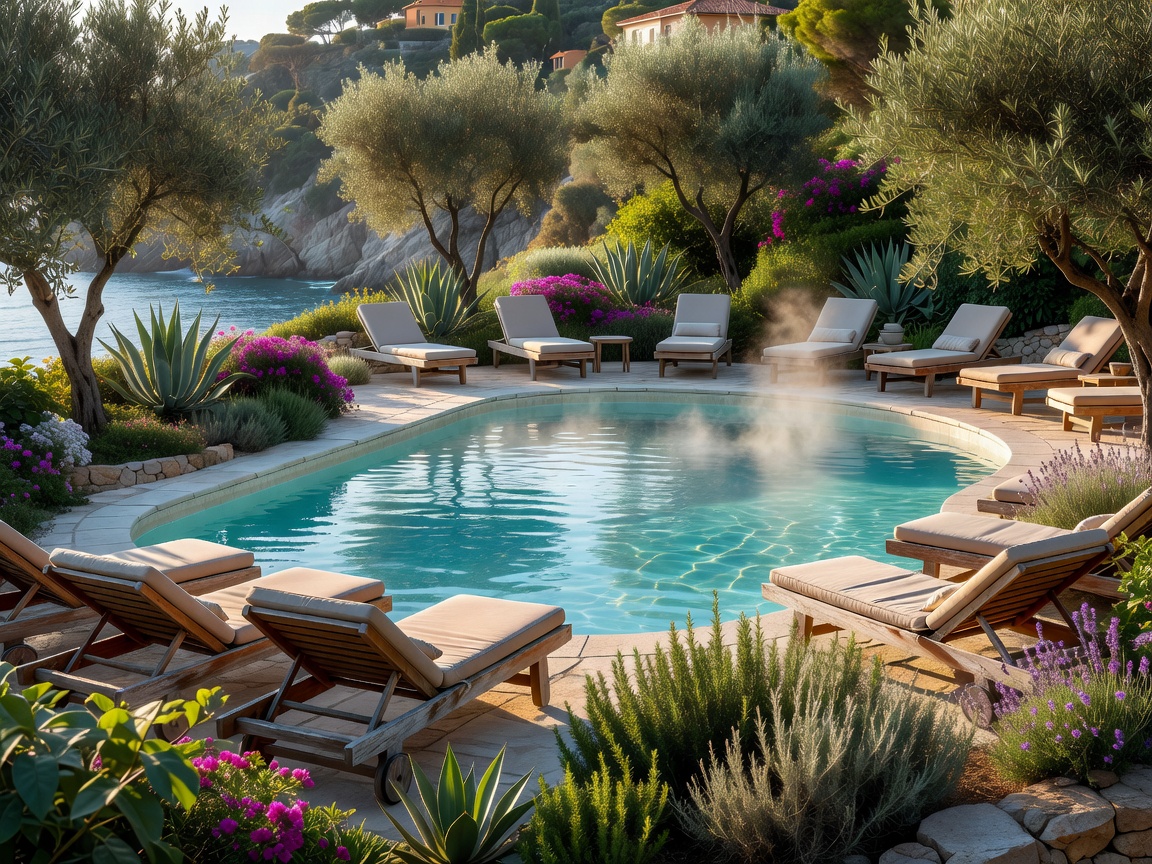
The hotel's spa and fitness facilities offer saunas, treatment rooms and a gym in the Nordic bathing tradition. Rooms range from classic doubles to grand suites with water views; the most coveted face the palace across the channel.
Who it suits
- Travellers who want the old town, Nationalmuseum and Royal Opera within a short walk.
- Visitors timing a trip to Nobel week or the winter season.
- Anyone for whom a harbour view is non-negotiable.