From rocky headland to Belle Époque stage
In the 1860s Prince Charles III gambled on a casino to revive Monaco's fortunes, and the district that grew around it took his name: Monte-Carlo. The railway brought winter visitors from Paris and London, and grand hotels — the Metropole among them, opened in 1886 — rose around the Casino gardens. The glamour has never quite left.
Quarters worth knowing
- Monte-Carlo — Place du Casino, the Opéra, luxury boutiques and the Jardins de la Petite Afrique.
- Monaco-Ville ("the Rock") — the old town with the Prince's Palace, the cathedral and the Oceanographic Museum.
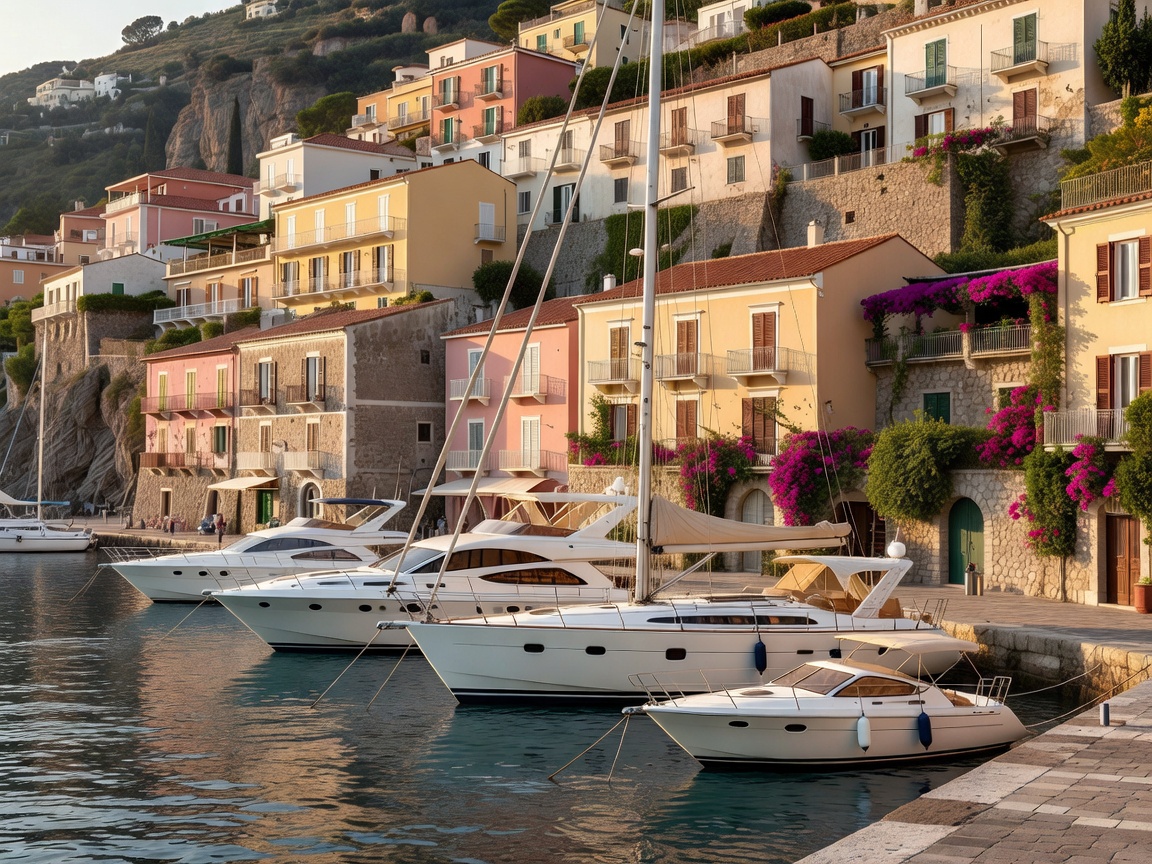
- La Condamine — the harbour quarter around Port Hercule, with its market and cafés.
- Larvotto — the principality's public beach and the Japanese Garden.
"In Monaco the view changes every hundred metres — and every one of them is from a balcony."Editor's impression
When to go
Spring and early autumn offer warm days and a relaxed pace. The calendar is punctuated by major events — the Monte-Carlo Rolex Masters tennis in April, the Formula 1 Grand Prix in May, the Yacht Show in September — when the principality fills and demand for rooms rises sharply. Winter is mild and brings the opera and ballet season.
Getting around
Nice Côte d'Azur Airport is typically 30–45 minutes by car, and helicopter transfers take only a few minutes. Monaco is steep but compact: public lifts and escalators connect its levels, local buses cross the principality, and trains run along the coast to Nice, Menton and Italy.
What to see
- The Casino de Monte-Carlo and the Salle Garnier opera house.
- The changing of the guard at the Prince's Palace just before midday.
- The Oceanographic Museum, perched on the cliff above the sea.
- The Exotic Garden and day trips to Èze, Menton or Villefranche-sur-Mer.