The Georgian city
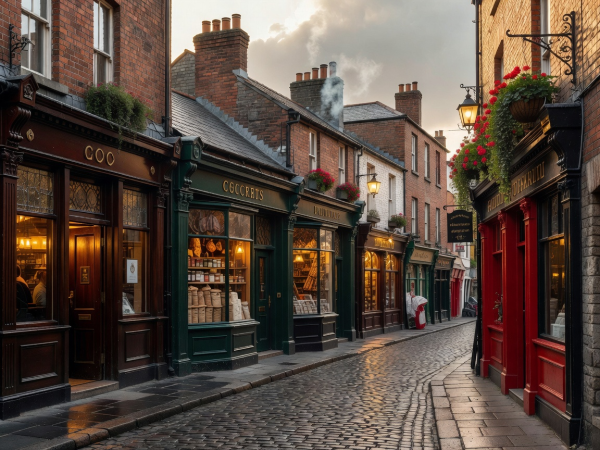
In the eighteenth century Dublin was one of the largest and most fashionable cities in Europe, and its aristocracy built the elegant squares that still define the south side: Merrion Square, Fitzwilliam Square and St Stephen's Green. Their brick terraces, painted doors and fanlights are the backdrop to The Merrion, which occupies four such townhouses on Upper Merrion Street, opposite Government Buildings.
Neighbourhoods worth knowing
- Georgian Quarter (Dublin 2) — the national museums, gallery and parliament around Merrion Square.
- Grafton Street & St Stephen's Green — shopping, cafés and Dublin's best-loved park.
- Temple Bar — cobbled, lively and busy at night; best visited for its cultural venues in the day.
- The Liberties — one of the oldest districts, home to St Patrick's Cathedral and distilleries.
"In Dublin, the best directions come with a story attached."Editor's impression
When to go
May to September offers the longest days and mildest weather, with Bloomsday on 16 June celebrating Joyce's Ulysses. March brings the St Patrick's Festival crowds; autumn and winter are quieter, cosy and ideal for galleries, theatre and long lunches. Pack a light rain layer whatever the month.
Getting around
Dublin Airport is typically 30–45 minutes from the city centre by taxi, with coach services to the south side. The centre is very walkable; the Luas Green Line stops at St Stephen's Green, and DART trains run along the coast from Pearse Station towards Howth and Dalkey.
What to see
- The Book of Kells and the Long Room library at Trinity College.
- The National Gallery of Ireland and the National Museum of Archaeology.
- Merrion Square Park and the Oscar Wilde statue opposite his childhood home.
- A day trip along the coast to Howth or to the Wicklow Mountains.